The scenario of a new global oil shock, worse than the crisis of the 1970s, no longer belongs to the realm of science fiction.
Panicked by the developments, Donald Trump called on China, France, Japan, South Korea, and the United Kingdom to send warships in order to help the United States keep the Strait of Hormuz open.
The surge in energy prices would cause both the failure of his domestic policy, with soaring inflation and economic stagnation if not recession, and would also trigger a global economic crisis.
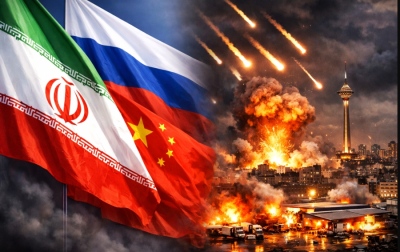
Iran has essentially closed the narrow sea passage at the entrance of the Persian Gulf, threatening to attack any ship attempting to pass.
As a result, oil and natural gas prices have skyrocketed.
“Many countries, especially those affected […], will send warships, in cooperation with the United States of America, to keep the Strait open and secure,” the President wrote on the platform Truth Social.
In another post later on Saturday March 14, Trump stated that the “Countries of the World” that receive oil through the Strait “must take care of this passage.” The United States “will help, VERY much,” he added.
“This should always have been a joint effort, and now it will be,” he wrote.


Refusal from France and Japan
The calls of the President of the United States were not heeded.
The aircraft carrier Charles de Gaulle remains in the Eastern Mediterranean, the Ministry of Foreign Affairs stated.
Also, the agency NHK, citing a source in the Japanese government, reported that Tokyo will not send warships to the Strait of Hormuz simply because “Trump said so.” It was emphasized that the United States is desperately trying to take measures to address the rise in oil prices.
Taking into account the posts of the head of the White House on social media, there is a possibility that he may directly demand Japan take action during the summit.
“Japan can act only within the framework of the law, therefore it is necessary to provide explanations at the meeting and examine the measures very seriously,” the source said.
What the Trump administration is examining - Intervention in the oil futures market
At the same time, the Trump administration is examining intervention in oil markets to reduce prices, despite warnings that such a move could cause a “biblical catastrophe.”
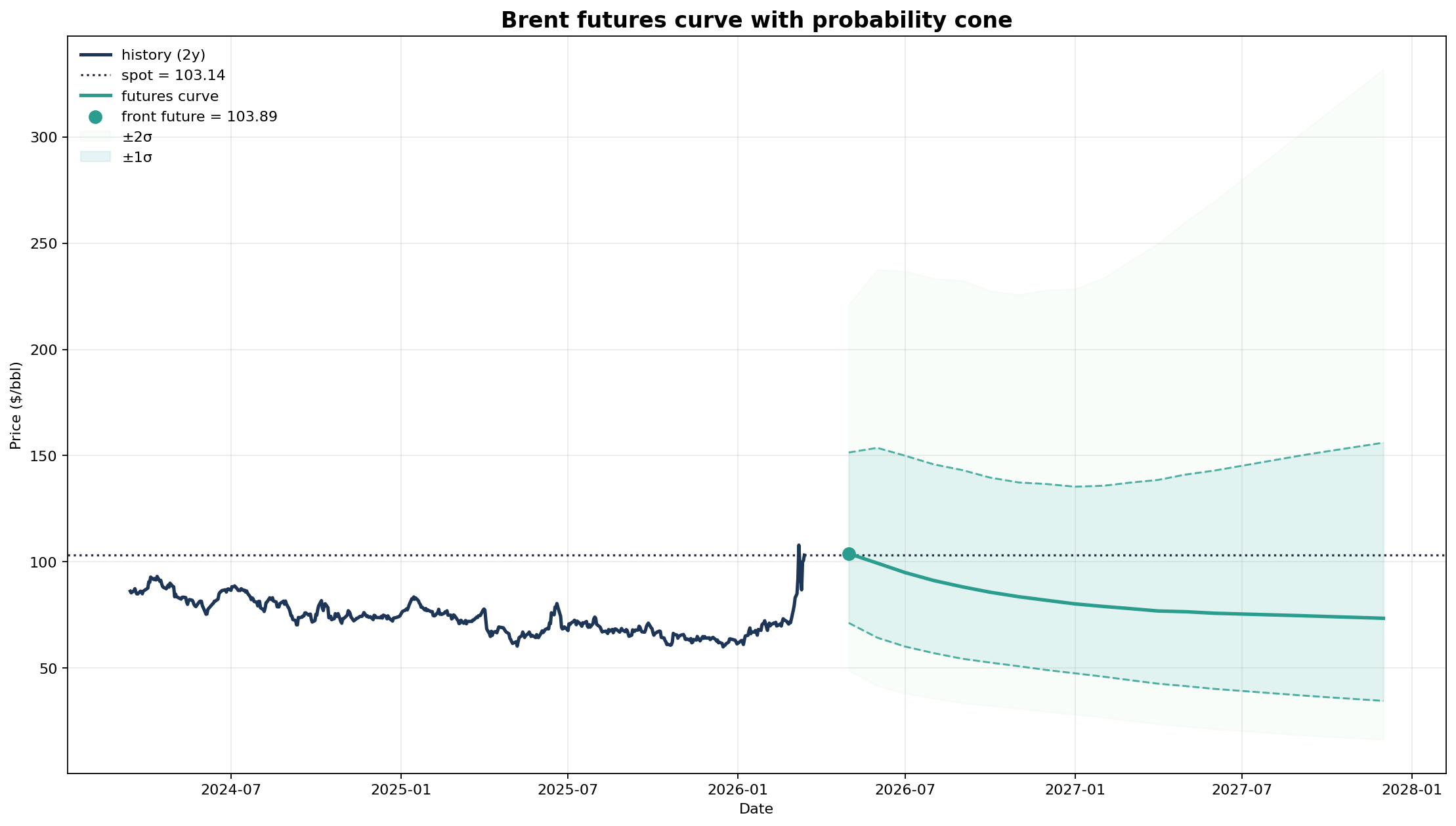
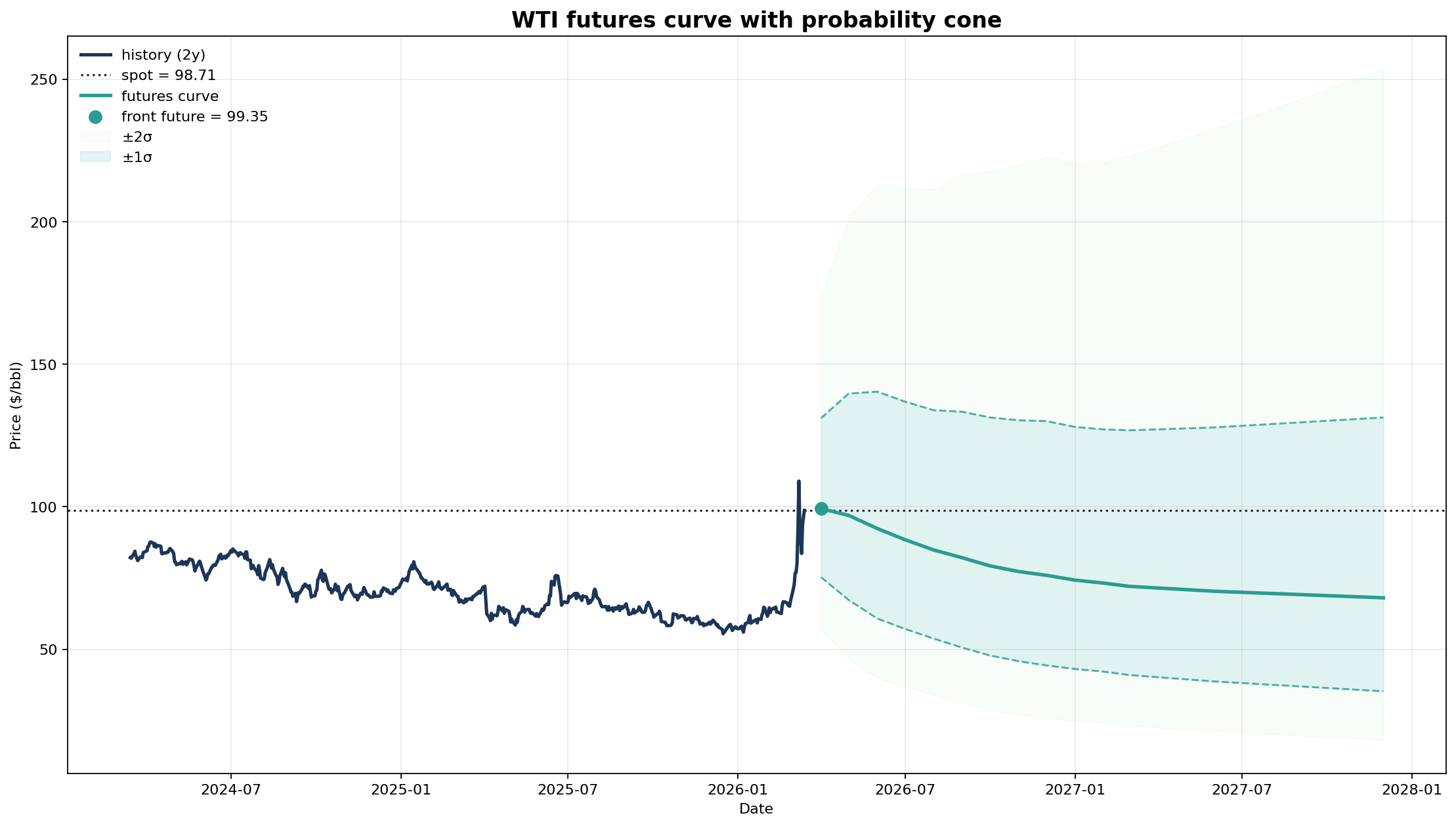
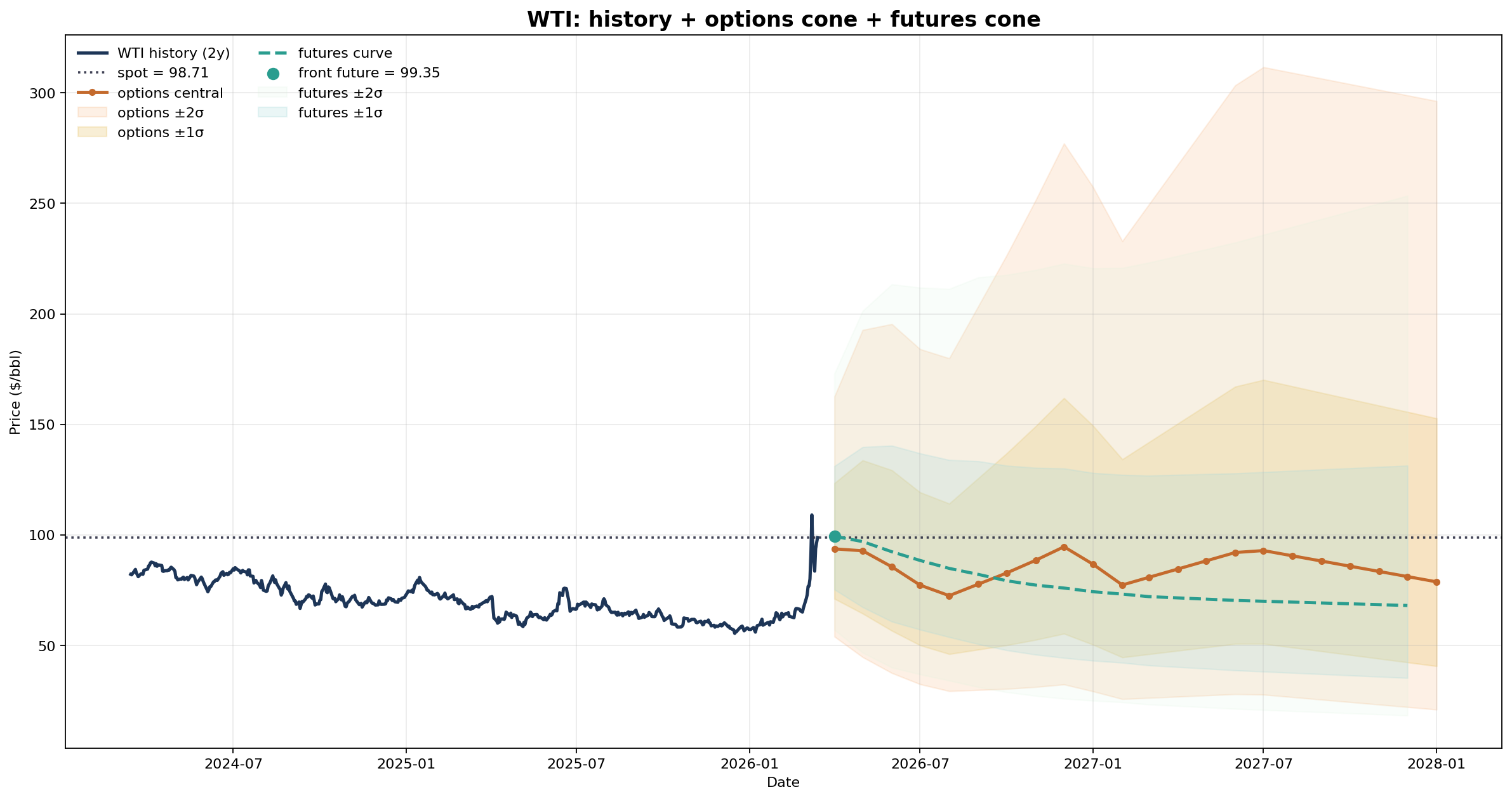
Doug Burgum, United States Secretary of the Interior, said that officials discussed the possibility of trading in the so called futures markets, after the war in Iran pushed the oil price last week to 103 dollars per barrel (13/3).
“We have many smart people working in this government, many of them working in the energy market,” Burgum said on Bloomberg Television.
This admission comes after speculation that the White House had already intervened to restrain prices.
The surge in prices
Oil surged to 120 dollars per barrel on Sunday (8/3), before quickly falling to 90 dollars, a movement that many investors struggled to explain.
The White House denied responsibility for the drop, but rumors pushed the head of the Chicago Mercantile Exchange (CME), Terry Duffy, to warn that government intervention could cause a “biblical catastrophe.”
Duffy stressed that artificially lowering prices could undermine confidence in the market, with dangerous consequences for the broader economy.
“Markets do not like government intervention in prices,” he warned bluntly at a conference in Florida.
The 500 billion per day market
The oil futures market, worth about 500 billion dollars per day, is much larger than the trade of physical oil and constitutes a critical part of the global economy.
Oil companies, airlines, banks, and hedge funds use futures to protect themselves from sharp price increases.
The price of oil in the futures market constitutes the main benchmark, and its surge to 103 dollars per barrel created problems for Donald Trump, as the war in Iran becomes increasingly unpopular in the United States and provokes reactions even within the MAGA movement that brought Donad Trump to the White House for a second time.
Ineffective practice
According to a possible plan of the White House, the American government would spend large sums betting that the price of oil will decrease.
The financial power of the Treasury Department may push toward lower prices, but experts question the effectiveness of this strategy.
Chris Hodge, economist at the investment bank Natixis, said that the 200 billion dollar reserves of the Treasury Department would be “only a drop in the ocean” and the intervention would be inappropriate in the medium and long term.
Felipe Schuurman, chief executive of the energy analysis company Sparta, stressed that the government of the United States has never tried something like this before, and for good reason: “Even with significant capital, the government would struggle to sustainably influence prices against such a large supply shortage.”
Burgum admitted on Bloomberg that intervention by the Trump administration in order to “manipulate and reduce prices would require enormous capital.”
Pressure on the White House due to rising prices
The White House is examining this drastic option amid concerns about soaring prices.
Oil has risen more than 40% since the beginning of the war in Iran, due to the effectively closed passage at the Strait of Hormuz.
The increase in crude prices affects gasoline prices in the United States and puts pressure on Trump ahead of the midterm elections.
In Britain, gasoline prices reached an 18 month high, while airline fuel prices in Europe also recorded a historic record.
Trump stated that American forces had “destroyed” military targets on the island Kharg, the main oil export terminal of Iran, while Tehran threatened attacks on oil fields and terminals of neighboring countries.
Mohamed El-Erian, economic advisor at Allianz, commented on X that the media would “be screaming about another surge in oil prices if the markets were not closed for the weekend.”
Hodge concluded that the only sustainable solution for reducing prices is diplomatic, not economic, such as increasing production by OPEC, something difficult even under the best conditions.
Trump’s arsenal
The President of the United States Donald Trump is expected to examine a set of options to limit oil prices, which have surged to the highest level since 2022 due to the expansion of the United States–Israel war with Iran.
It remains uncertain how large an impact changes in United States policy could have on oil prices, while some options could provoke reactions both domestically and internationally.
The stakes are high and wrong moves may sow devastation in the global economy.
The surge in energy prices has pushed stock markets downward, threatened broader economic damage, and poses a risk for the Republican allies of Trump in this year’s midterm elections, as voters tell pollsters that the cost of living is a top concern, the risk of an inflationary explosion would be politically devastating and if it materializes it will completely destroy the Trump presidency.

What are Trump’s possible options
1) Sales from strategic oil reserves
Trump can order the sale of oil from the Strategic Petroleum Reserve (SPR) of the United States and coordinate with allies and partners for a global release of reserves. This would aim to reduce prices by increasing supply.
The United States SPR currently holds more than 415 million barrels, an amount corresponding to more than four days of global oil consumption. The reserves are at the lowest level since the mid 1980s, after Trump’s predecessor, former President Joe Biden, sold more than 200 million barrels in 2022, when Russia invaded Ukraine.
The head of the International Energy Agency (IEA) Fatih Birol told the finance ministers of the G7 that IEA members hold more than 1.2 billion barrels of public emergency oil stocks, while another 600 million barrels of industry stocks are mandatorily maintained under government regulations.
The IEA called for a coordinated release of oil and the countries of the G7 agreed to closely monitor developments in energy markets.
So far no release of reserves has been announced.
2) Reduction of insurance premiums for tankers - Needs estimated at 352 billion dollars
About 20% of the world’s daily oil consumption passes through the Strait of Hormuz, off Iran. The conflict has led marine insurers to cancel war risk coverage, resulting in most tanker traffic stopping.
The United States said it will offer up to 20 billion dollars in reinsurance for tankers anchored in the narrow sea passage. However, analysts say the plan has limited ability to solve the problem.
Analysts at JPMorgan Chase said the insurance program is far too small, estimating needs at about 352 billion dollars, although the government argued that the analysis is incorrect.
In addition, analysts note that ship owners are more concerned about real security risks. Officials in the shipping industry have stated that they do not expect a mass resumption of oil flows in the strait until the war ends.

3) Temporary tax abolition
The government of the United States imposes a tax of 18.4 cents per gallon on gasoline and even higher on diesel, therefore abolishing the federal tax could somewhat reduce prices at gas stations.
If the entire tax is suspended, the savings would be slightly above 5%, based on the national average retail gasoline price of 3.48 dollars.
However, such a move would also reduce funding for the Federal Highway Trust Fund, which finances highway maintenance and public transport.
4) Lifting regulations
The United States could temporarily lift pollution rules for fuels, which increase the production cost of gasoline. If refineries pass the savings on to consumers, prices at gas stations could decrease.
United States refineries are currently preparing to produce summer gasoline and other fuels that cause less atmospheric pollution in hot weather.
These blends are more expensive to produce, but any savings from lifting the rules are likely to be relatively small.
An analysis by the U.S. Energy Information Administration in 2024 showed that refinery restrictions linked to gasoline production could affect retail prices by about 10 cents per gallon in tight market conditions.
However, lifting pollution regulations could provoke reactions from communities concerned about health impacts from more polluting fuels.
5) Export restrictions
The White House could impose a ban or restrictions on exports of American crude oil and fuels such as gasoline, in an attempt to reduce prices for domestic consumers.
Such a move has previously faced opposition from major organizations of the energy industry during periods of energy crisis, such as after the invasion of Russia into Ukraine in 2022, and Joe Biden did not impose such restrictions.
It also remains unclear whether it would help.
Although the United States is the largest oil producer in the world and a net exporter, many American refineries are not equipped to process certain grades of American crude, which means they would still need imports from abroad.
6) Greater lifting of sanctions on Russian energy
The United States Secretary of the Treasury Scott Bessent said that the United States could further relax sanctions related to Ukraine on Russian oil in order to increase global supply.
The comment came one day after Washington issued a 30 day exemption allowing India to purchase Russian crude oil that is currently stranded at sea.
Such a policy on a permanent basis could provoke criticism that it helps Russia in its war against Ukraine.
7) Repeal of the Jones Act
The Trump administration could also temporarily repeal the Jones Act, a law requiring cargo transported between domestic ports to be carried by tankers built in the United States and staffed by union workers.
Repealing the law could give companies greater flexibility in transporting oil to American coastal refineries, allowing them to charter cheaper ships that do not employ unionized personnel.
However, the law, which has been in force for more than 100 years, has broad support from unions across the country, which could make the move politically sensitive.
What is certain is that the collapse of supply chains is expected to inflict a significant blow on markets and on the global economy.
www.bankingnews.gr







Σχόλια αναγνωστών